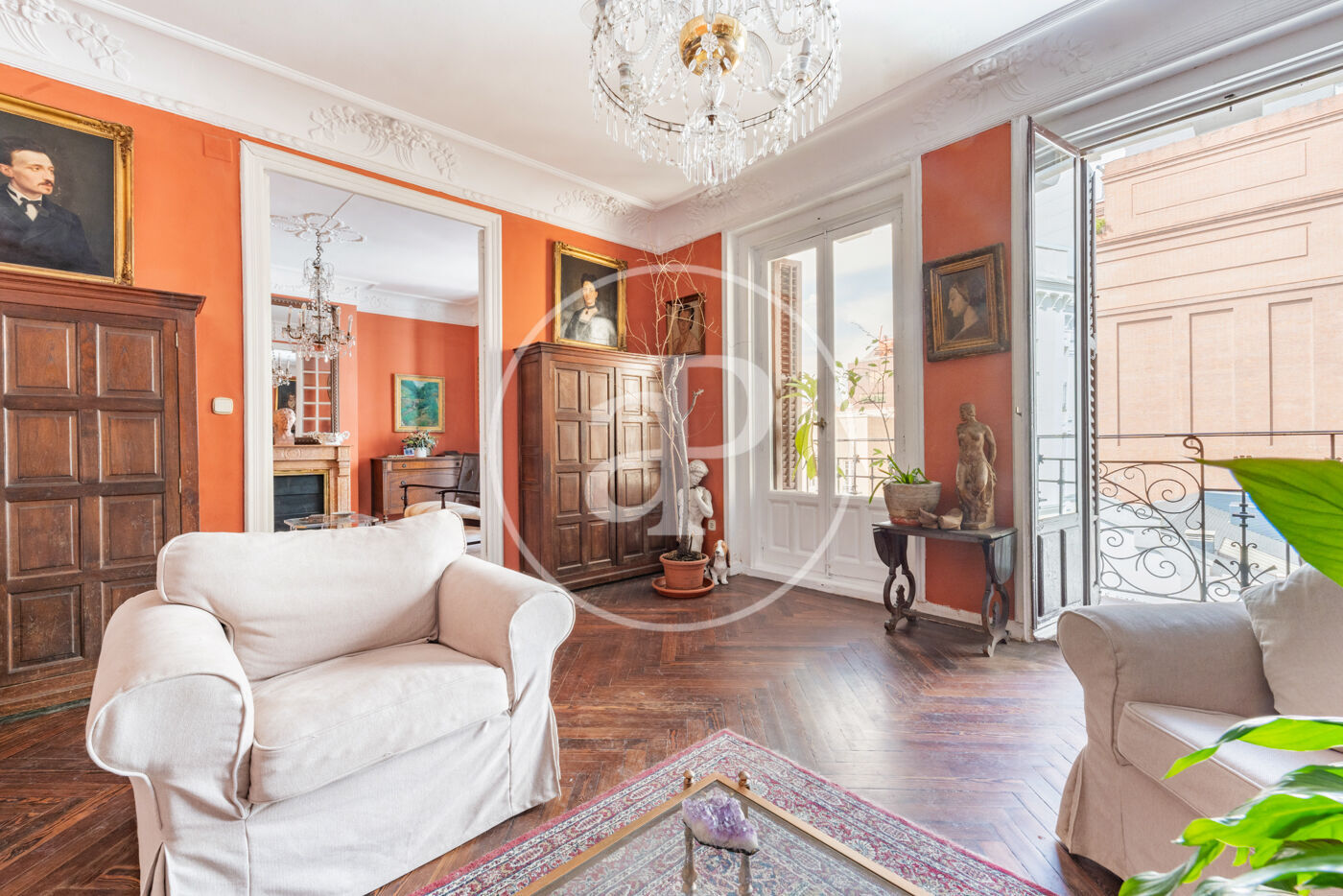
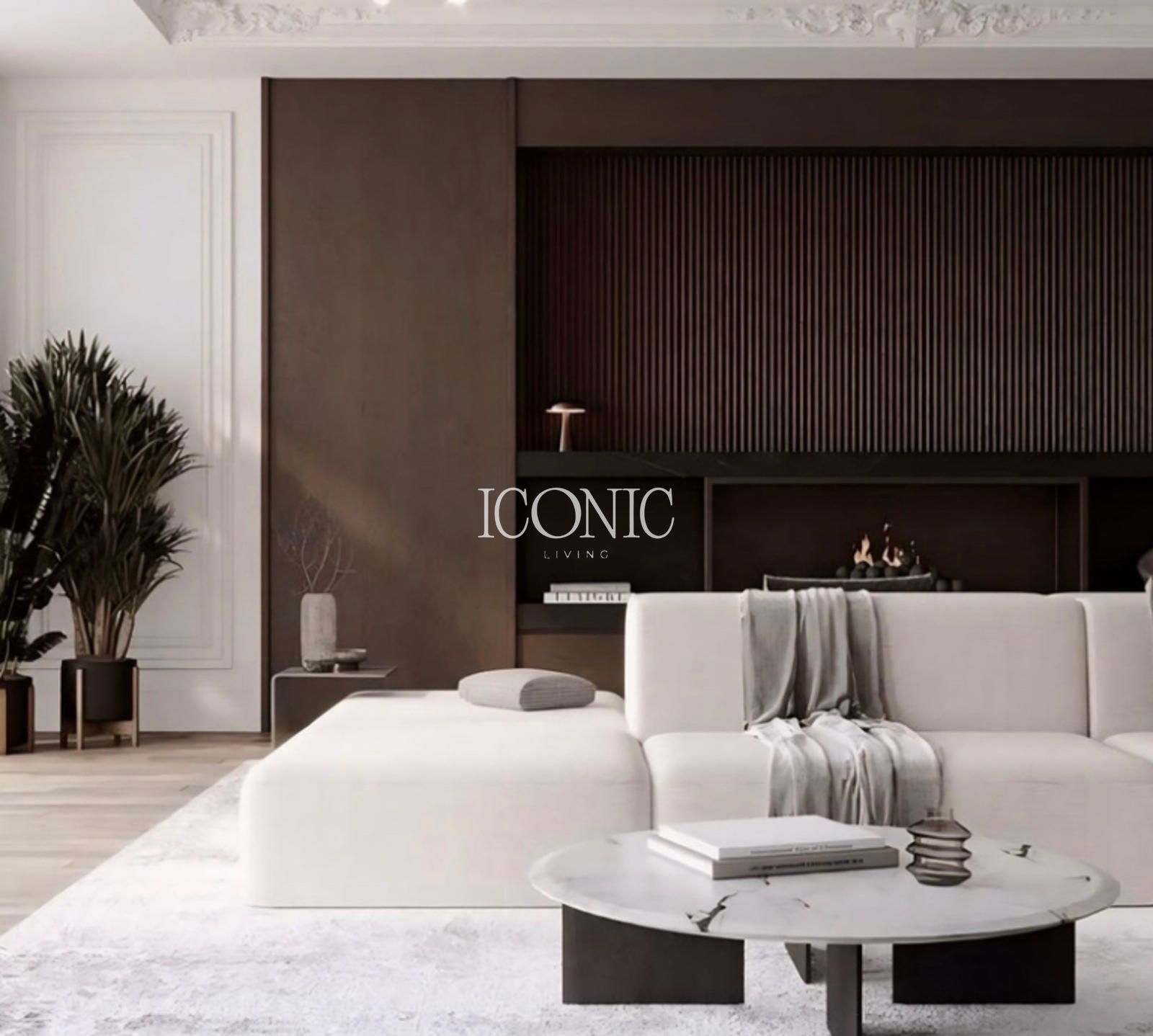
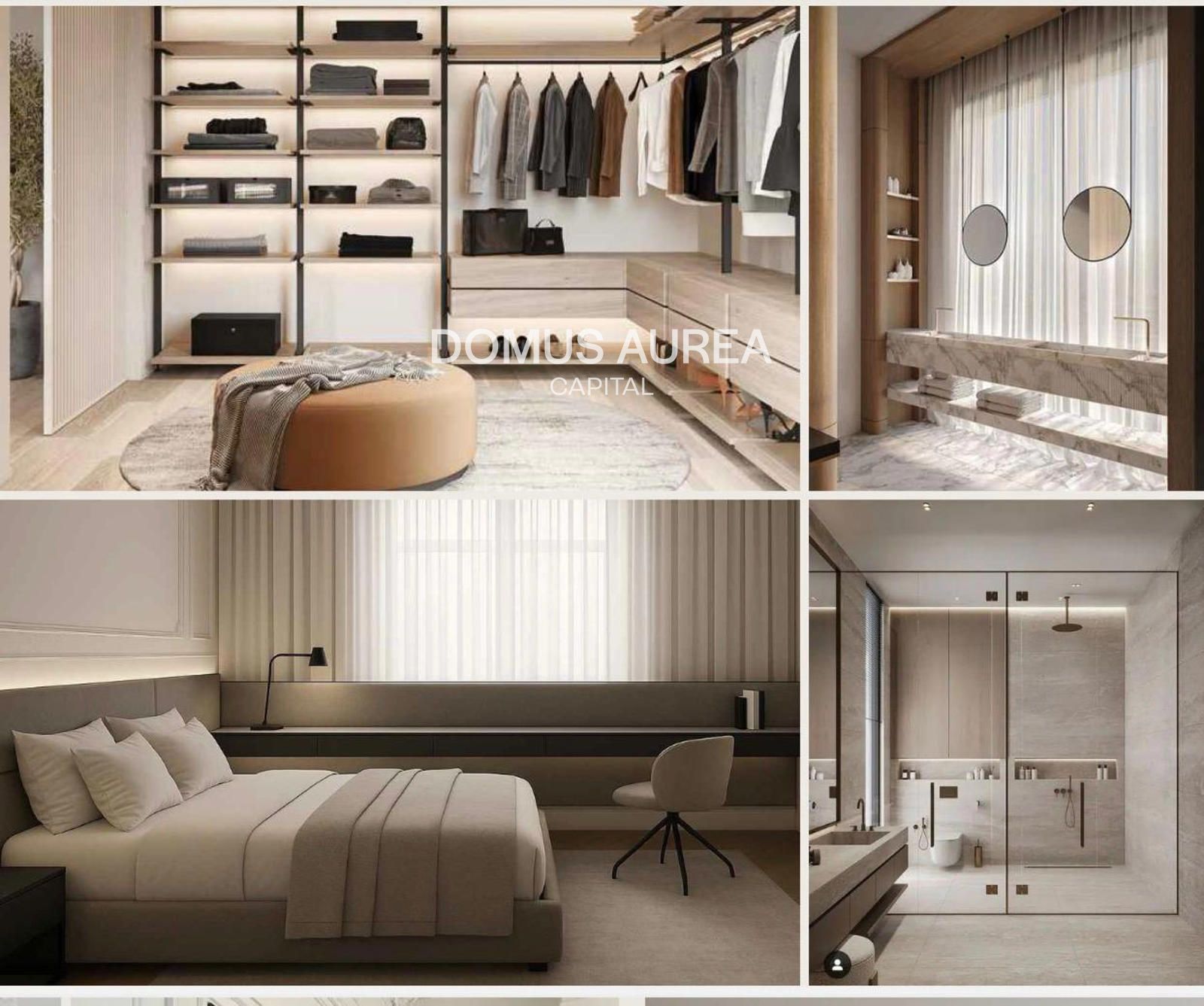
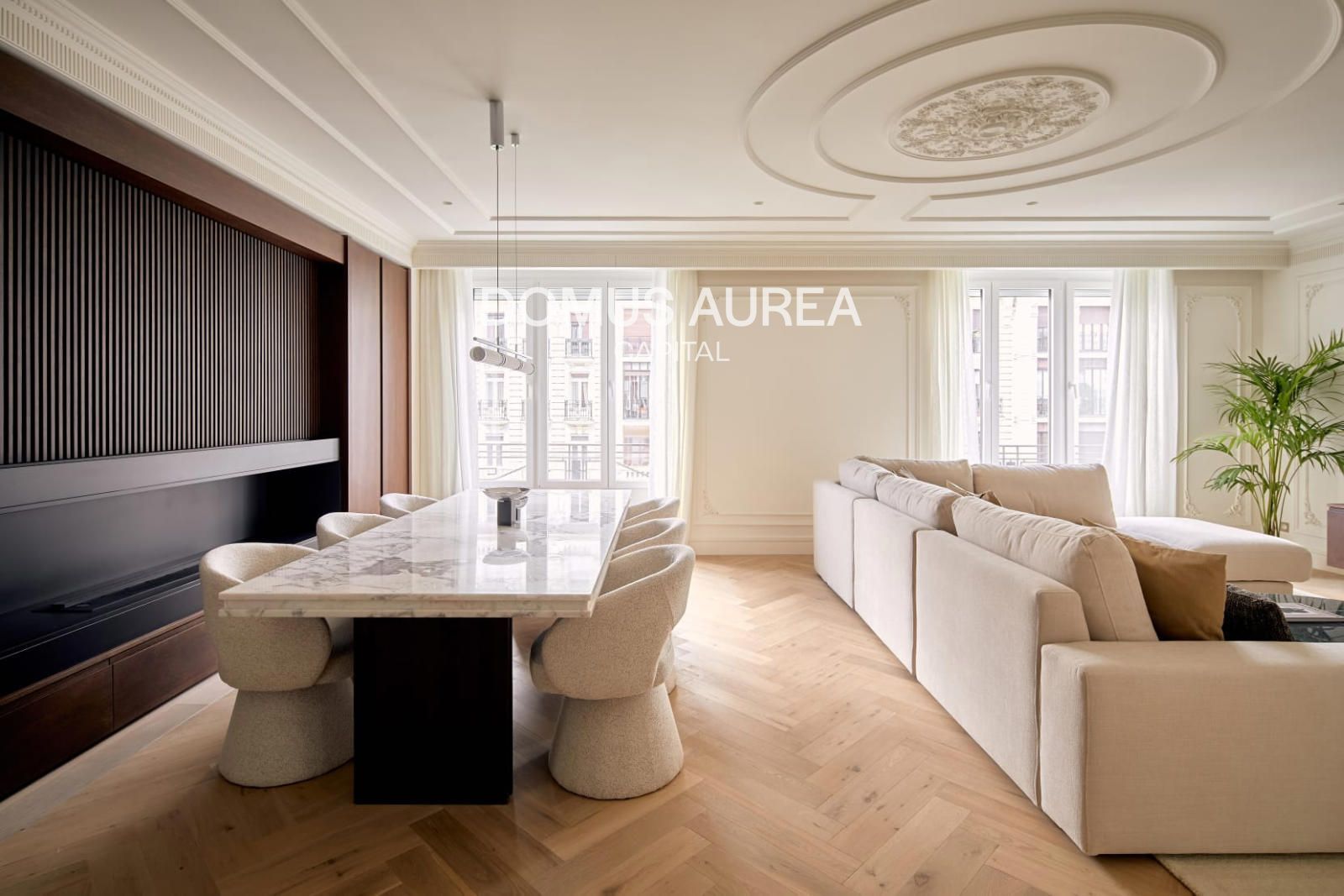
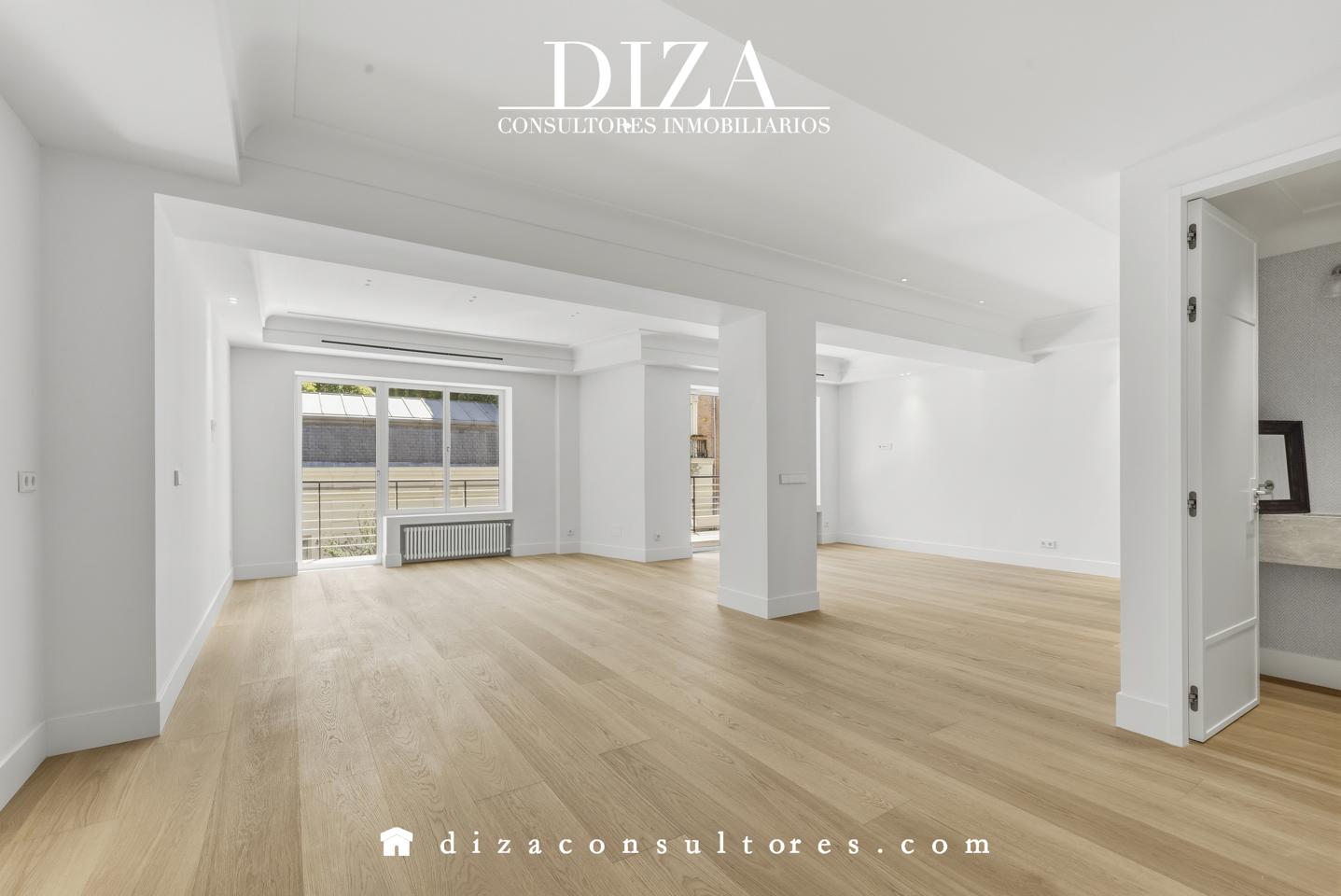
Within one of Salamanca's most refined addresses, this fourth-floor residence sits in a distinguished 1920s building, where classical architecture and contemporary comfort coexist without compromise. The calm, sophisticated character of Calle Padilla defines the neighbourhood's particular elegance. The apartment unfolds across 215 square metres of carefully considered space. The reception rooms command natural light from exterior-facing windows, creating fluid volumes where period detail—cornicing, ceiling height, proportions—frames a contemporary interior. Three en-suite bedrooms allow privacy and independence, while a terrace extends the living experience outward. Oak or similar natural flooring runs through the principal spaces, establishing material continuity. The bathrooms, finished with quality fixtures and surfaces, maintain the same refined restraint evident throughout.
Salamanca
Salamanca sets both Madrid's price ceiling and its social register. Developed in the 19th century by the Marqués de Salamanca as a deliberate enclave for the capital's aristocracy and new industrial wealth, the district still functions that way — embassies, private banks, the Spanish flagships of every European luxury house, and the quiet buildings where old-money families have lived for generations. The grid is rectilinear and deliberate: wide pavements, ten-meter cornice heights, yellow-flowering jacarandas lining the avenues in April. The built form is uneven up close — protected-façade classics on the main avenues, unremarkable 1960s–70s infill on the side streets, a growing share of gut-renovations marketed as "obra nueva" — but the address is the product, and buyers are paying for it.