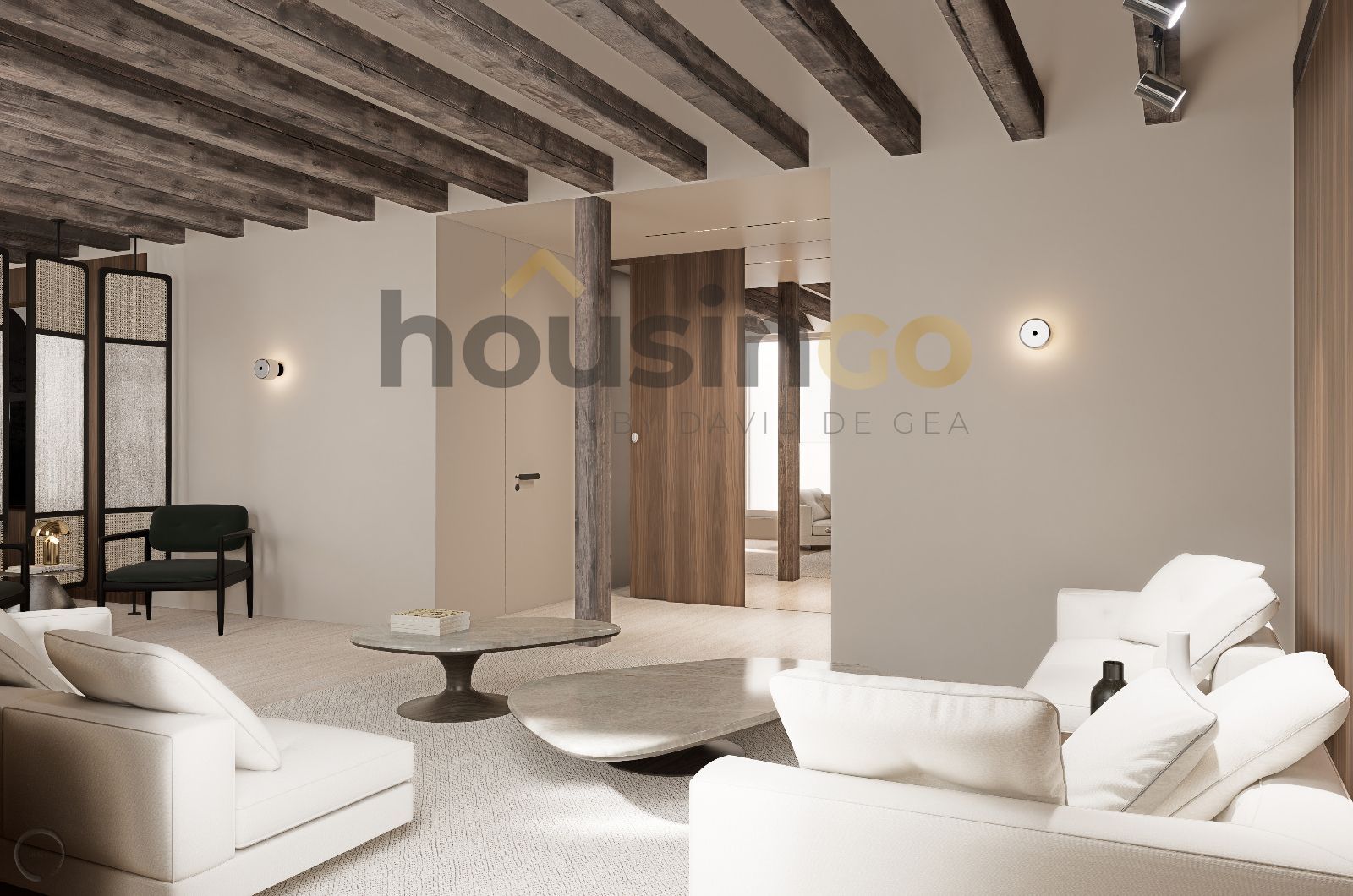
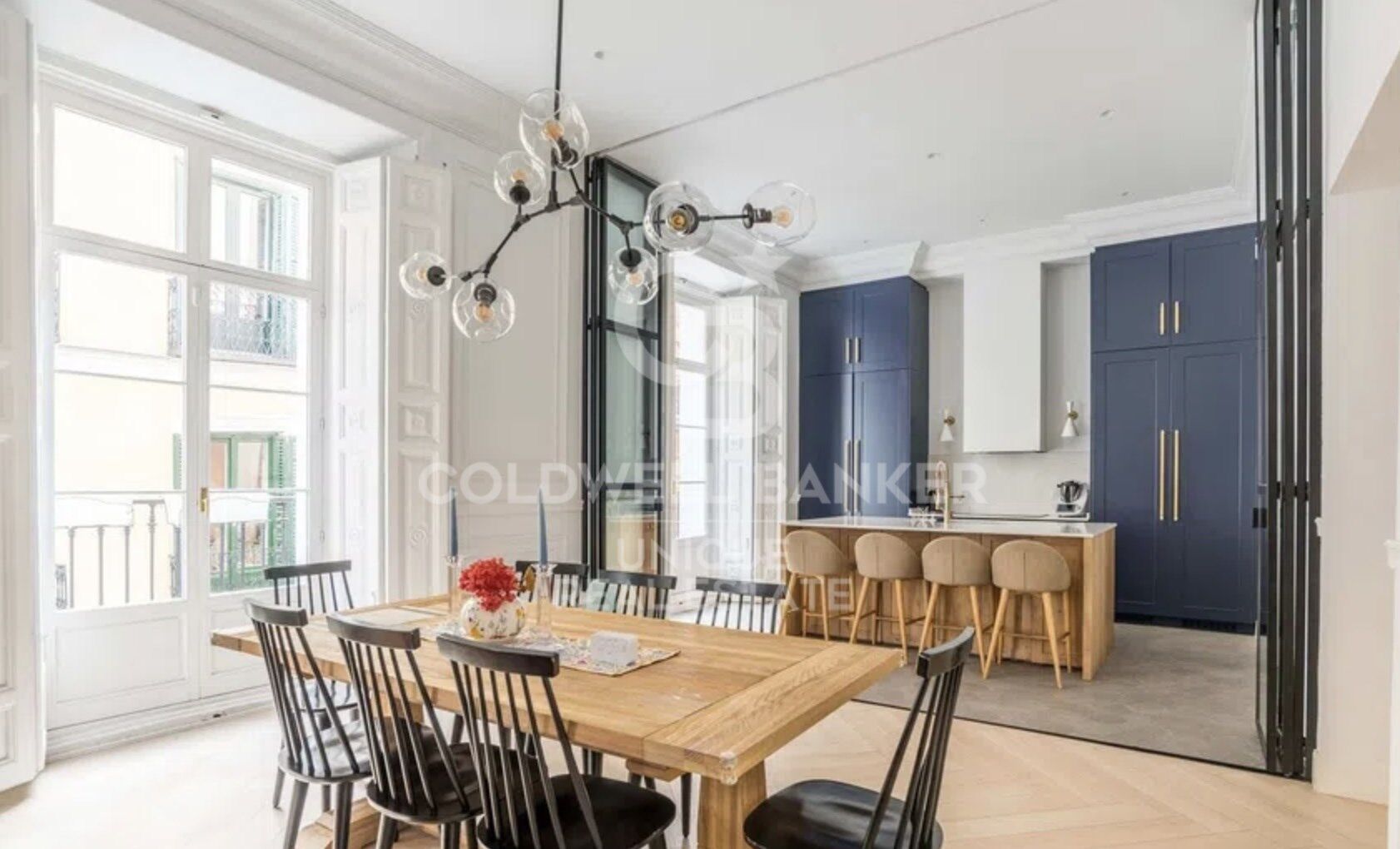
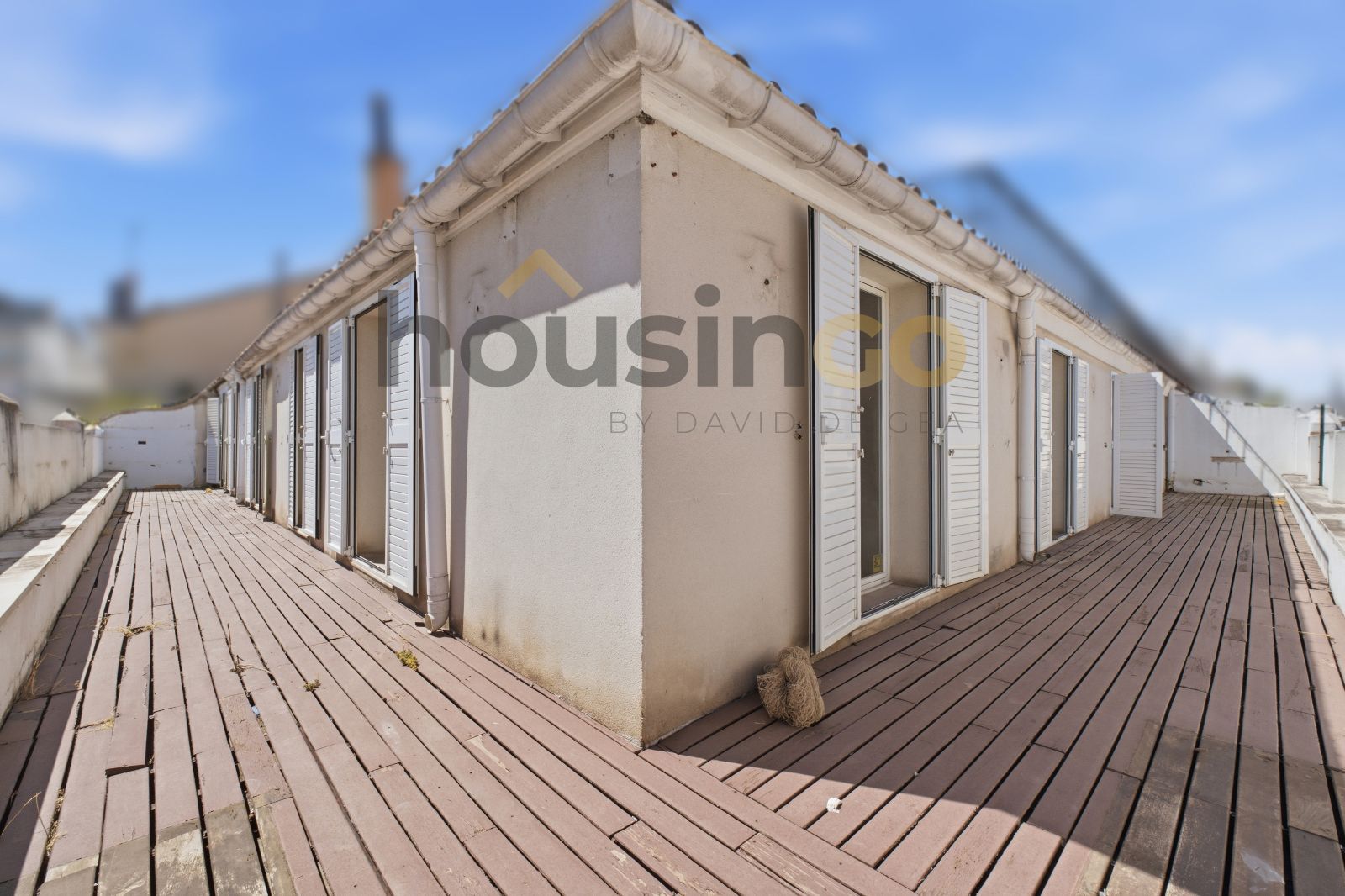
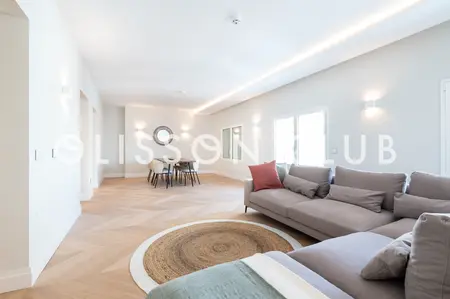
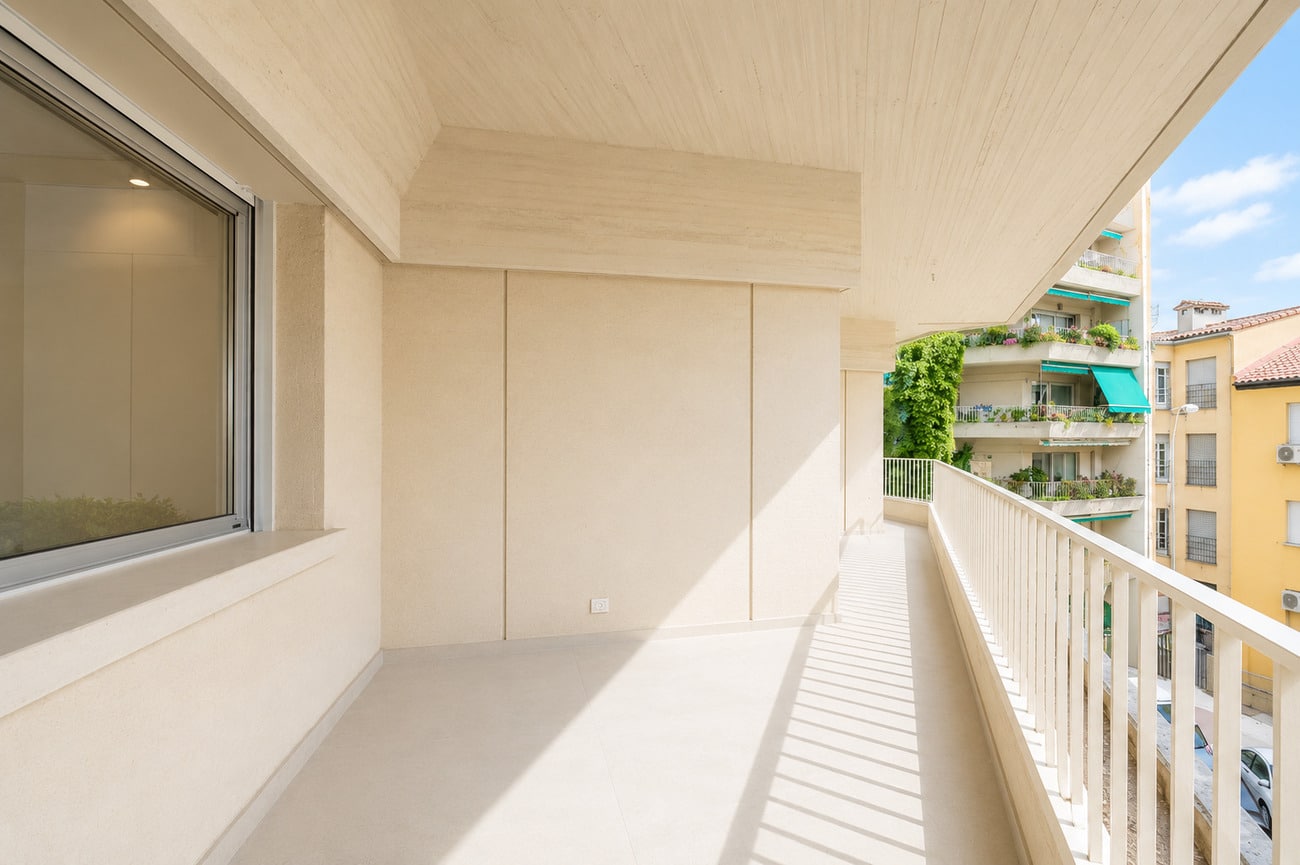
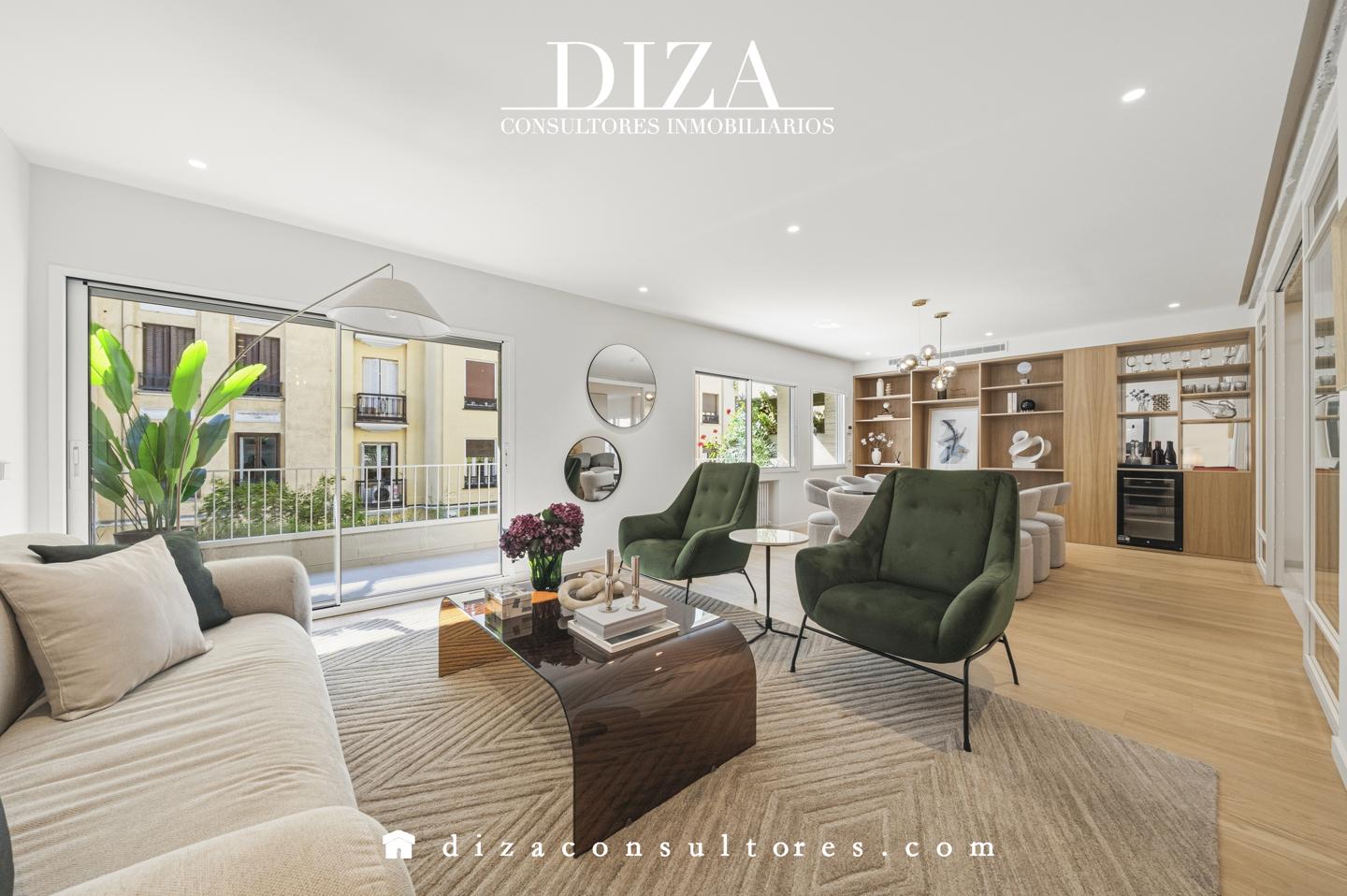
In the heart of Madrid's historic centre, this fourth-floor apartment occupies a distinguished building from 1900, where 19th-century architecture frames contemporary living. The 243 m² residence unfolds across a generous floor plan, anchored by a bright living and dining area that establishes the spatial rhythm of the home. From here, the layout moves through to a kitchen that serves as a practical hub, before opening onto a terrace—a rare amenity in this dense neighbourhood, offering light and air to the interior. Two bedrooms and three bathrooms provide flexibility and comfort. The principal suite benefits from natural light and its own ensuite, while the secondary bedroom offers similar proportions. A third bathroom serves guest areas and circulation spaces, reflecting a coherent approach to the home's organisation. Materials and finishes speak to the building's age and character, with details that acknowledge both its period origins and its present use.
Not enough comparable data in this area to generate a reliable estimate. We'd rather show nothing than show something misleading.
See every Centro listing, priced →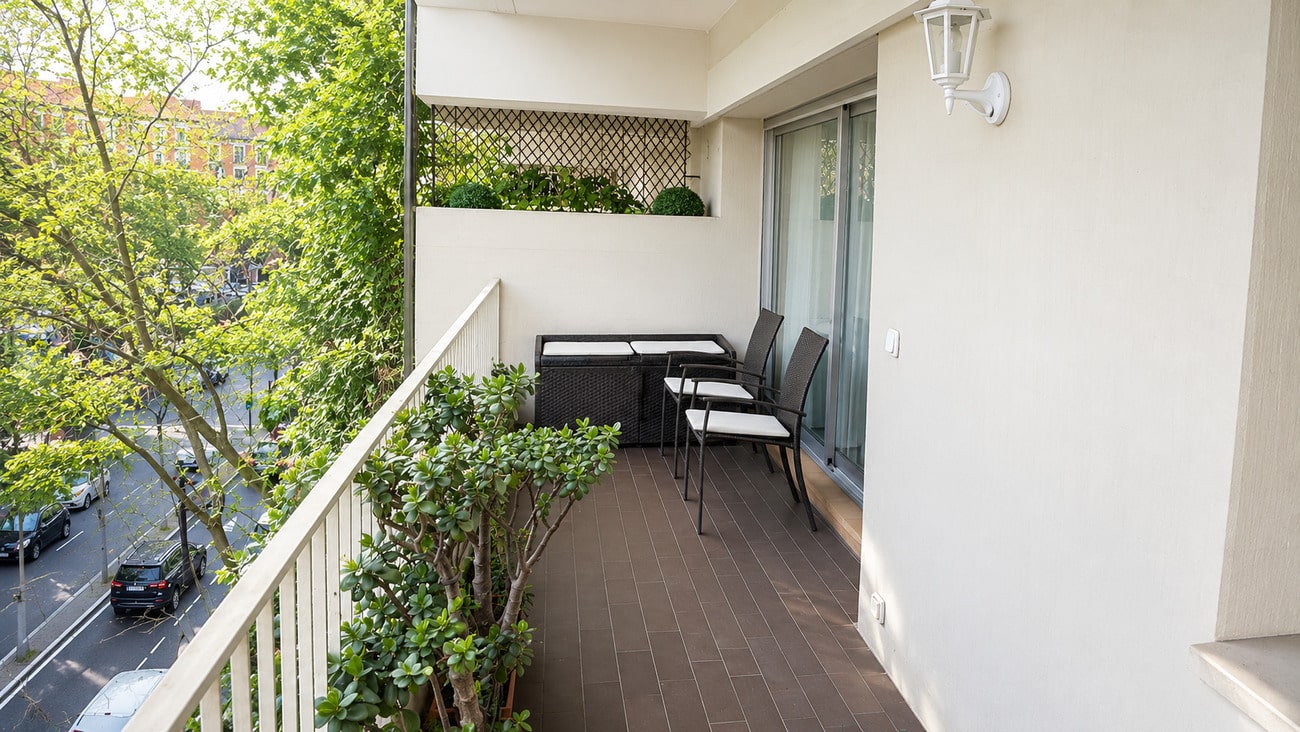
Centro
Centro is Madrid's medina — the historic core wrapped around the Royal Palace, Plaza Mayor, and the Austrias grid of narrow streets that have looked mostly the same since the 17th century. It's the most architecturally dense neighborhood in the city and the one most compromised by tourism pressure: the bulk of Madrid's short-term-let demand concentrates here, and Plan Especial de Hospedaje Ring 1 restrictions make new VUT licenses essentially unobtainable. The residential population that remains skews older, more local, and occupies buildings their families have held for generations. This is not a buyer's neighborhood in the Salamanca or Chamberí sense — it's a buyer's neighborhood for someone who values cultural density over space, light, and ease.