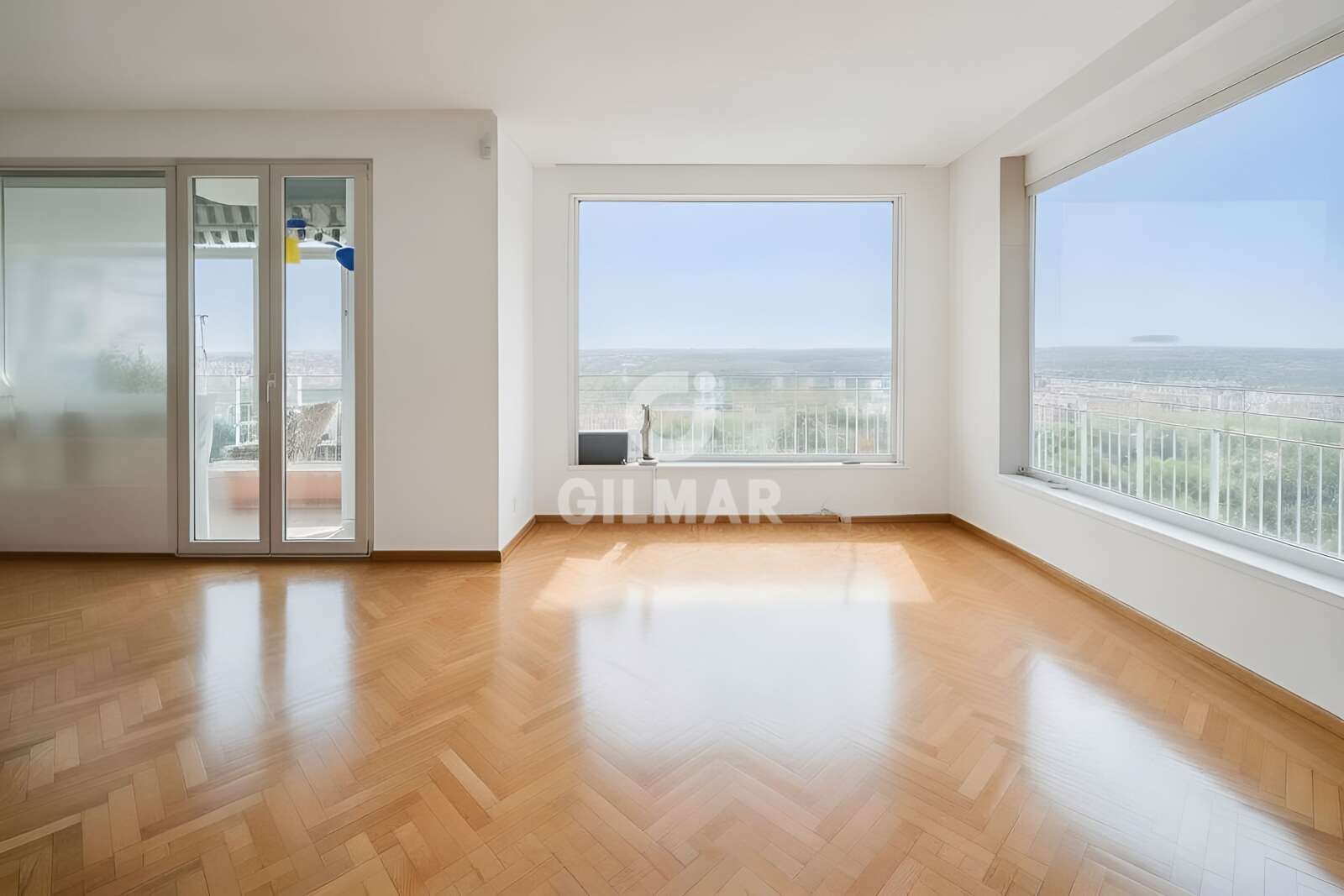
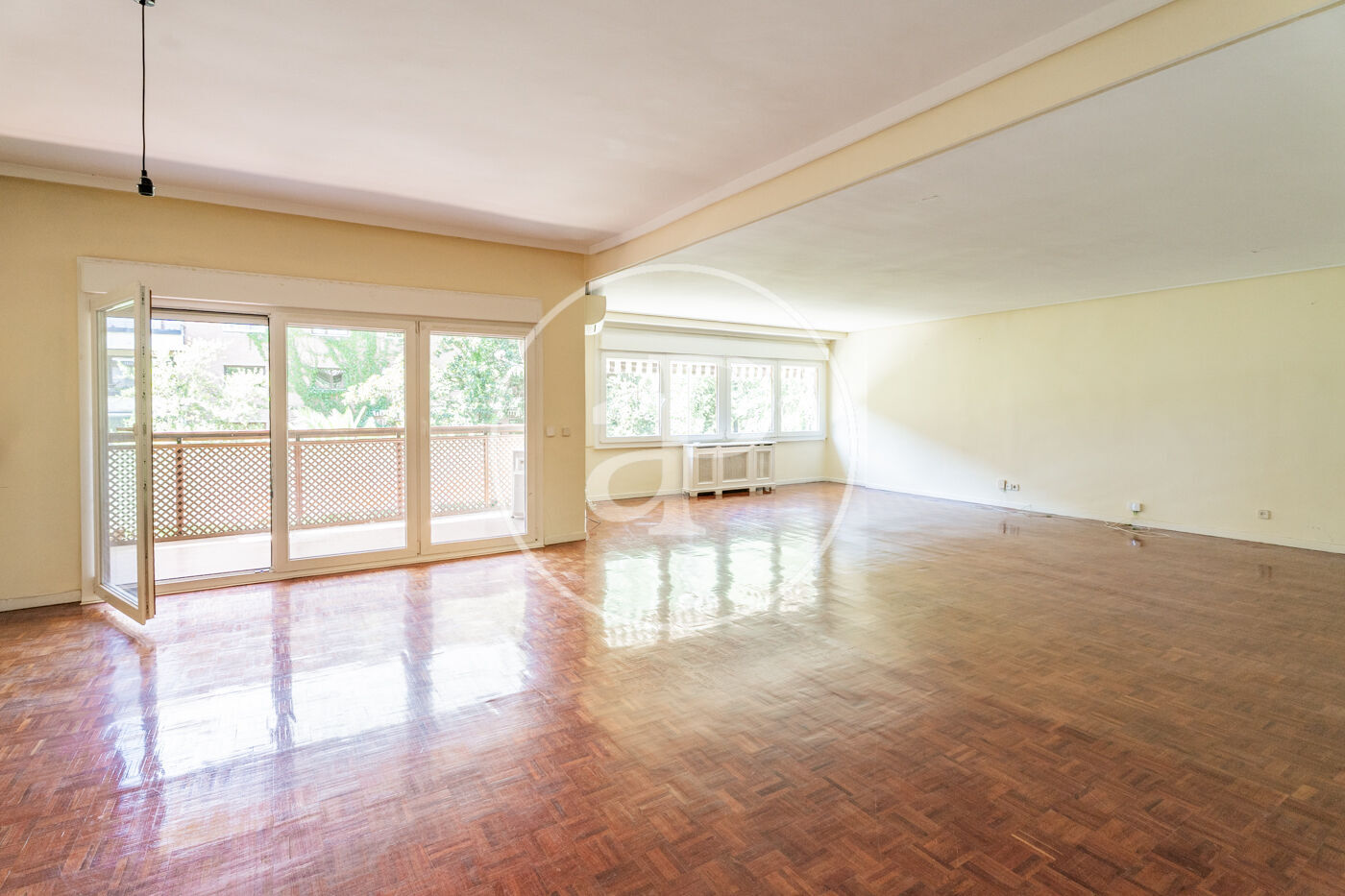
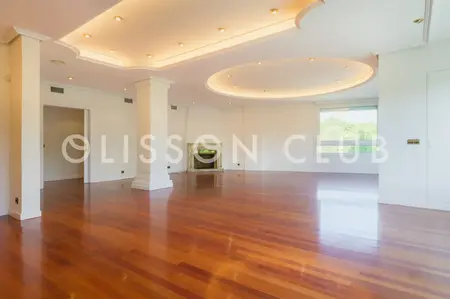
In Argüelles, a neighbourhood defined by tree-lined avenues and early twentieth-century architecture, this 1930s building stands as a marker of Madrid's expansion beyond the historic centre. The apartment occupies a generous footprint within this period structure, which benefits from lift access. The interior unfolds with a clear hierarchy between social and private zones. The living and dining areas command the front of the home, where natural light enters through windows overlooking the neighbourhood's quieter streets. The kitchen connects these spaces with ease, flowing into secondary areas that support daily life without disruption. Five bedrooms and four bathrooms are distributed across the layout, offering flexibility for a family or for those requiring dedicated work and guest accommodation. A terrace extends the interior outward, providing outdoor space within an urban setting.
Or contact Gilmar ↗.
Not enough comparable data in this area to generate a reliable estimate. We'd rather show nothing than show something misleading.
See every Moncloa listing, priced →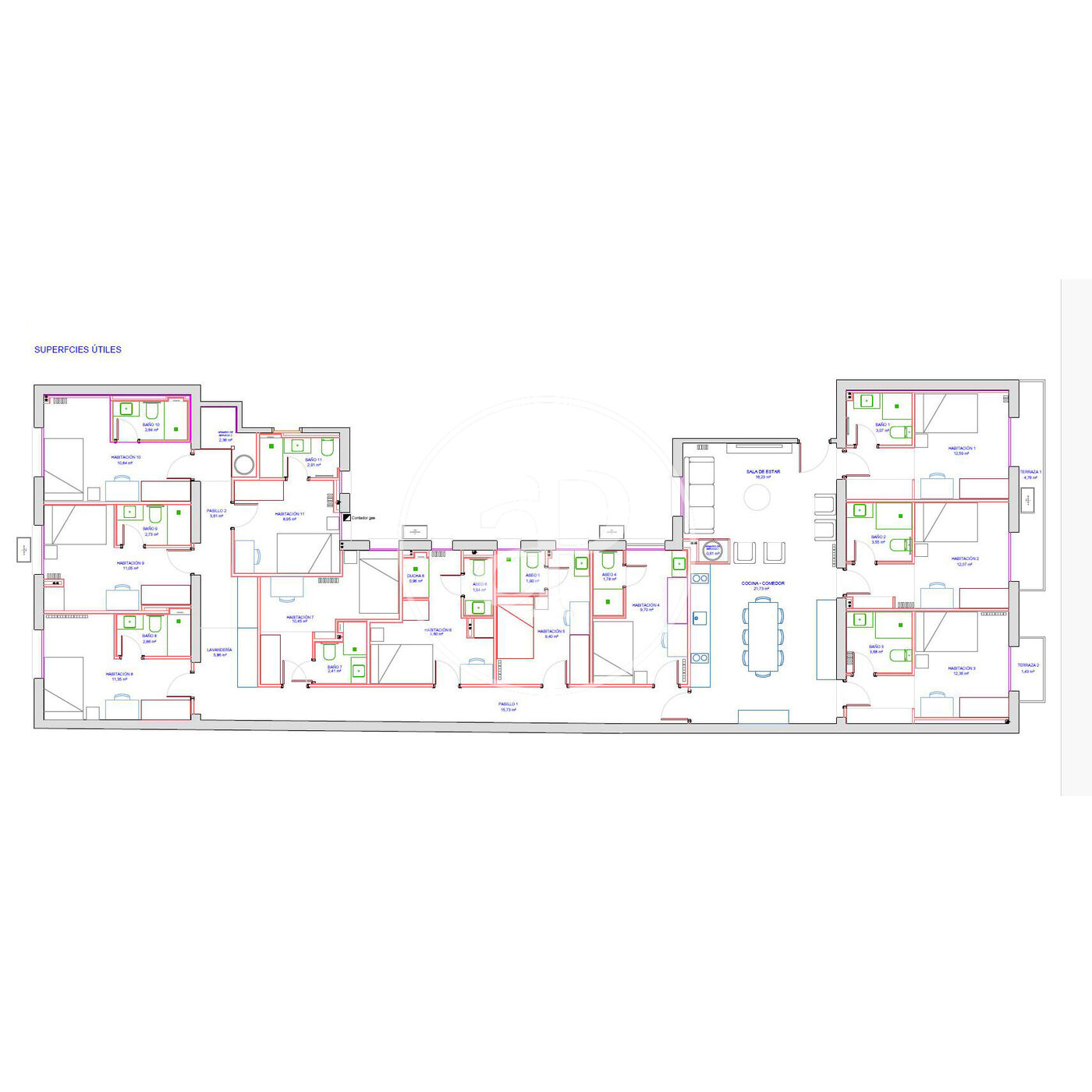
Moncloa
Moncloa-Aravaca is the western district of Madrid — where the city edge hits Casa de Campo and the Parque del Oeste. It's bigger and more heterogeneous than the central prime districts: it contains Argüelles (a dense, upscale urban extension of Chamberí), the Complutense and Politécnica university campuses at Ciudad Universitaria, Puerta de Hierro (one of Madrid's highest-prestige residential pockets), and stretches further west to include Aravaca, Valdemarín, and Puerta de Hierro's extended gated-estate belt. The shared thread is access to green space — Parque del Oeste on the eastern edge, Casa de Campo on the south — at lower densities and often lower prices than the equivalent addresses inside the M-30.