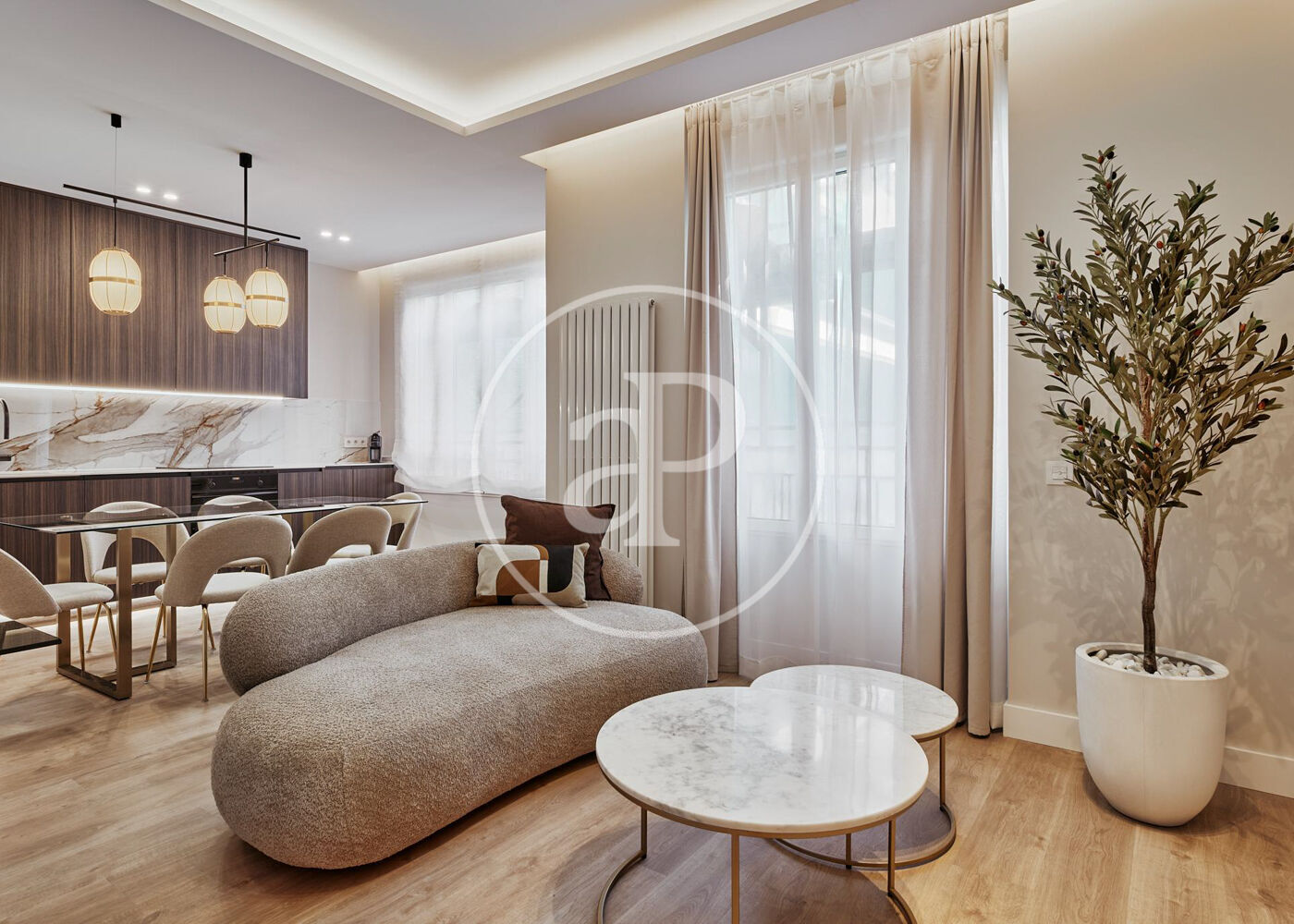
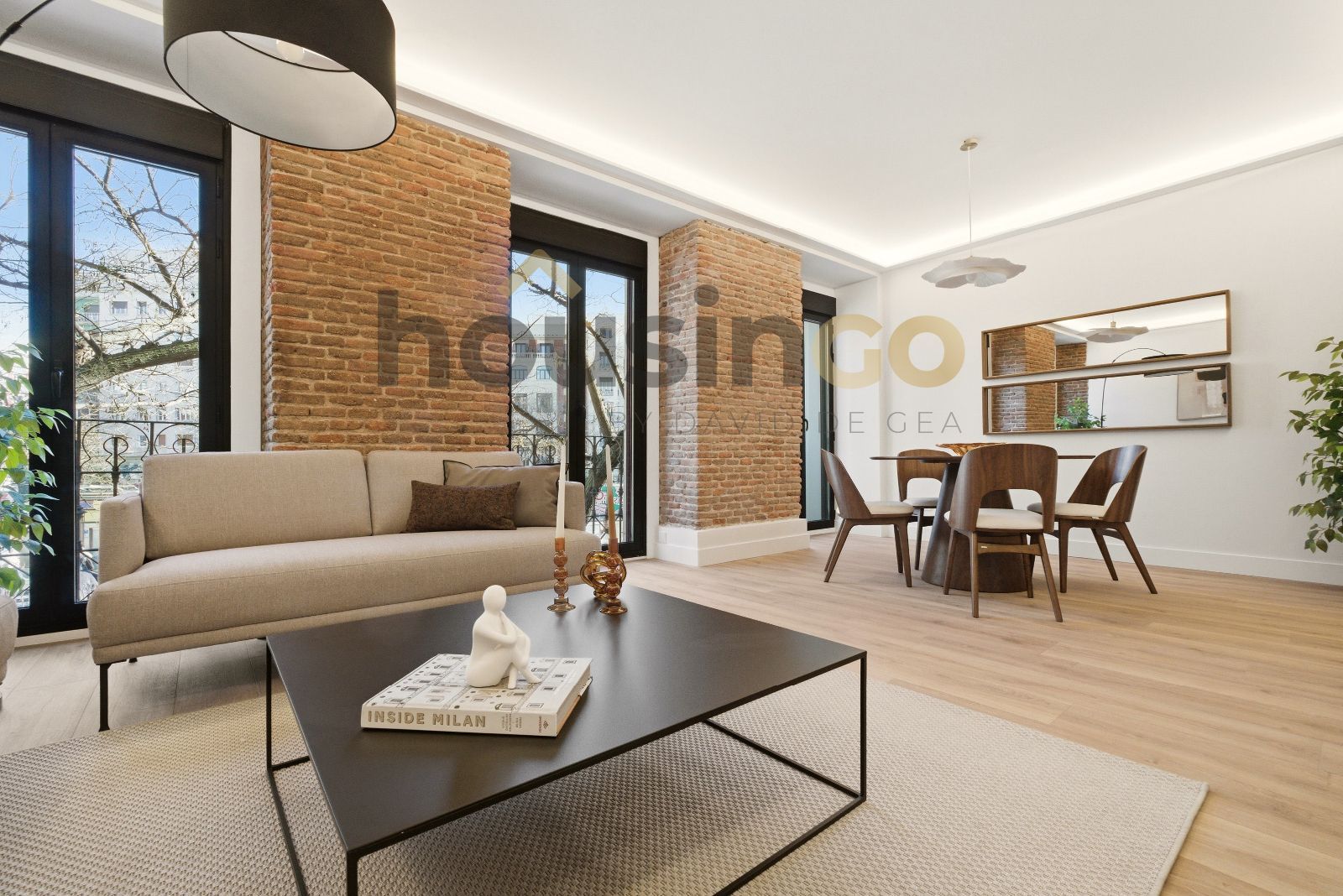
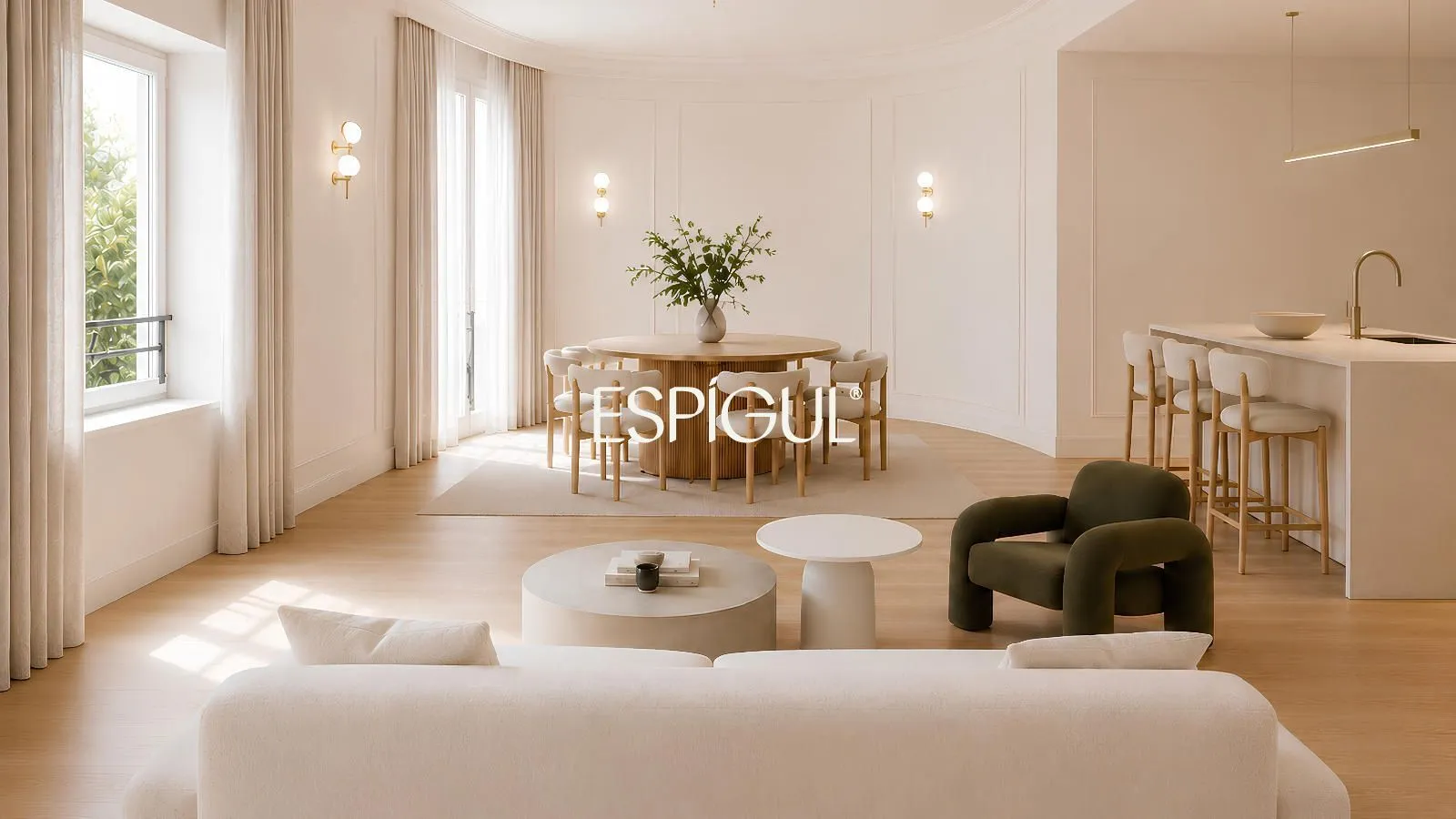
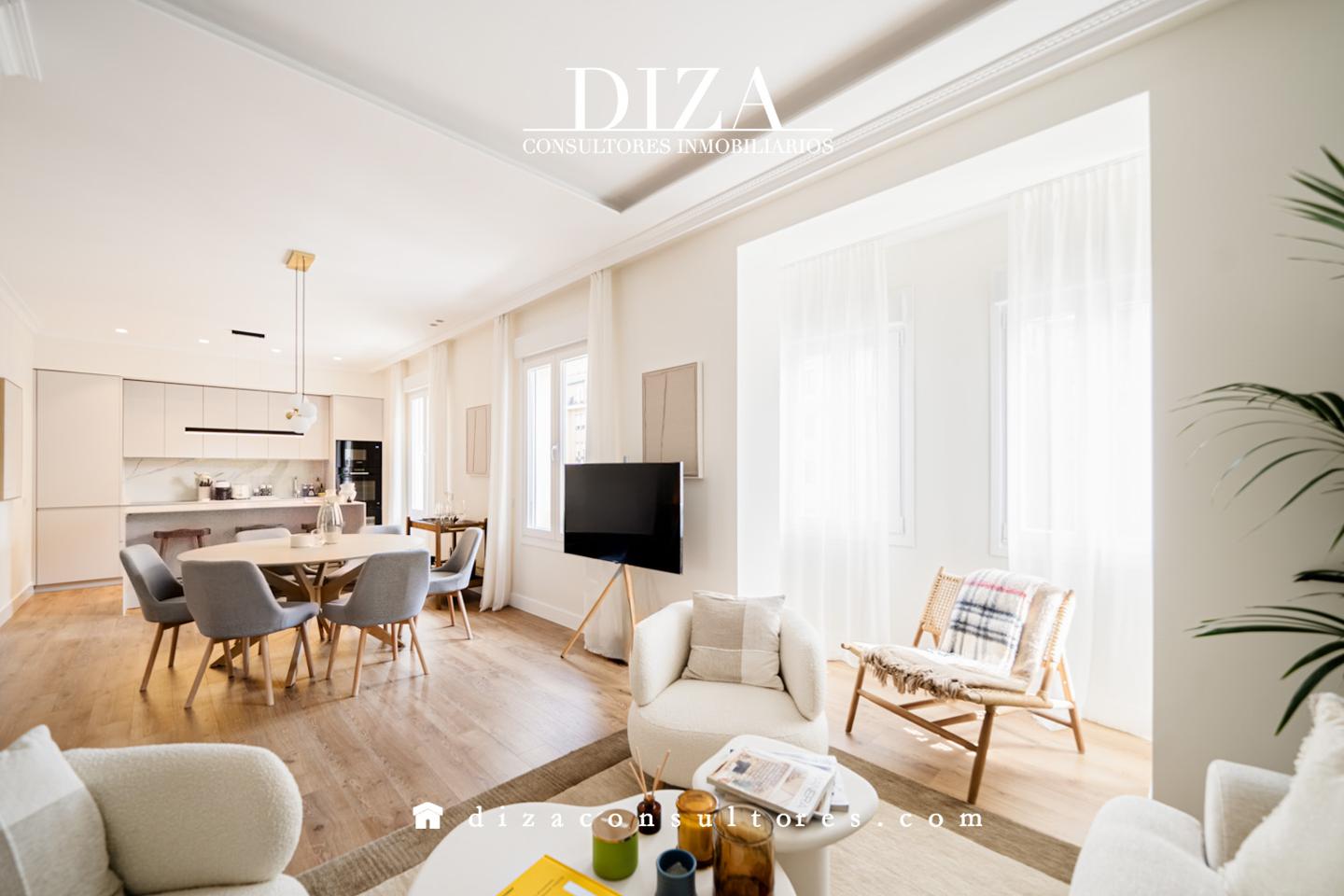
On Calle Goya in Salamanca, one of Madrid's most established neighbourhoods, this second-floor apartment sits within the district's principal commercial and cultural corridor. The street itself is defined by a continuous streetscape of restaurants, galleries and independent shops, while proximity to Palacio de los Deportes and the broader transport network positions the home at the centre of east Madrid's active social life. The 115 m² residence spans two bedrooms, three bathrooms and a terrace, with lift access to the second floor. The layout moves from entrance through to living areas, with bedrooms positioned to create distinct zones within the compact footprint. Good condition and the presence of outdoor space allow the apartment to function as both an urban pied-à-terre and a more grounded residential base.
Or contact AProperties ↗.
Also listed at: Housingo, Lucas Fox, Walter Haus, Engel & Völkers, Magna House, BHHS Spain, Coldwell Banker, Christie's Real Estate Madrid, BestFlat.

Salamanca
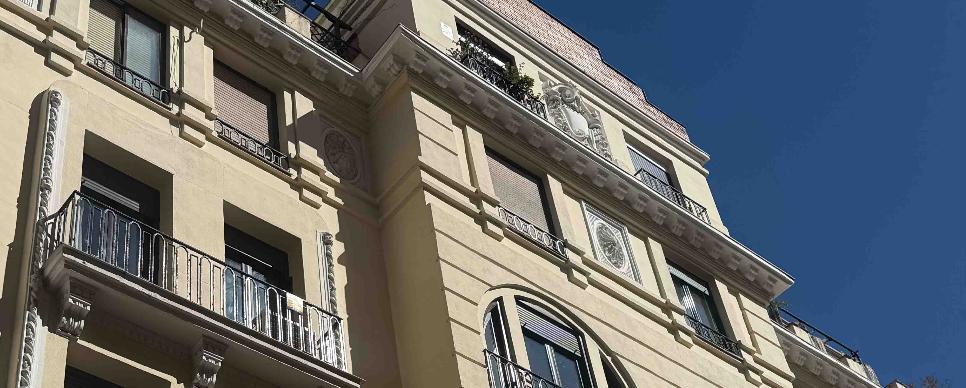
Salamanca sets both Madrid's price ceiling and its social register. Developed in the 19th century by the Marqués de Salamanca as a deliberate enclave for the capital's aristocracy and new industrial wealth, the district still functions that way — embassies, private banks, the Spanish flagships of every European luxury house, and the quiet buildings where old-money families have lived for generations. The grid is rectilinear and deliberate: wide pavements, ten-meter cornice heights, yellow-flowering jacarandas lining the avenues in April. The built form is uneven up close — protected-façade classics on the main avenues, unremarkable 1960s–70s infill on the side streets, a growing share of gut-renovations marketed as "obra nueva" — but the address is the product, and buyers are paying for it.